
Steps on how to use and operate an oscillating electric plaster cutter.
Tiba · 2 Jul 2025
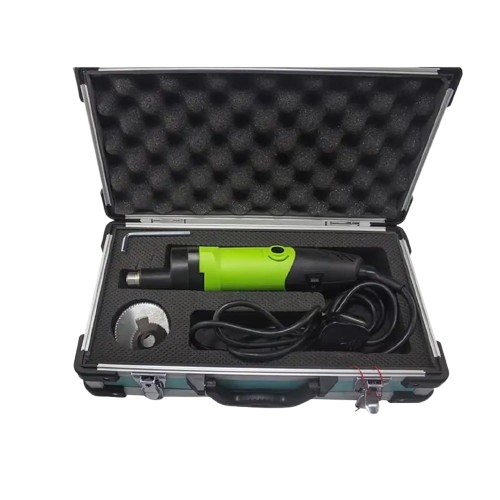
Here are the steps on how to use and operate an oscillating electric plaster cutter, typically used for removing orthopedic casts (plaster or fiberglass):
⚠️ Precautions Before Use
- Training: Only trained personnel (e.g., nurses, doctors, orthopedic technicians) should use the device.
- Check the Patient: Reassure the patient and explain the procedure to reduce anxiety.
- Inspect the Device: Make sure the cutter is clean, intact, and connected to a power source.
- Wear Protective Gear: Use gloves, goggles, and possibly a face mask to protect from plaster dust.
✅ Steps for Operating the Oscillating Plaster Cutter
1. Prepare the Work Area
- Ensure proper lighting.
- Position the patient comfortably with full support to the casted limb.
- Place a drape or sheet to collect dust and debris.
2. Mark the Cutting Line
- Use a marker to draw a cut line along the cast, avoiding areas over bony prominences.
3. Turn on the Device
- Plug in the cutter (or ensure battery is charged if cordless).
- Switch it on and let it reach full oscillation speed.
4. Begin Cutting
- Hold the cutter perpendicularly to the cast.
- Apply gentle, controlled pressure – let the oscillating blade do the work.
- Use a rocking or slight circular motion for better control.
- Avoid prolonged pressure in one spot to prevent heat buildup.
5. Cut Along the Line
- Follow your marked line, cutting one side first.
- Then cut the opposite side if needed for full removal.
6. Check for Heat
- Frequently pause and check the patient's comfort.
- Ask the patient if they feel any heat or discomfort.
7. Use Spreader and Shears
- After cutting through the cast, use a cast spreader to gently open it.
- Use cast scissors to cut any padding or bandages underneath.
8. Clean Up
- Turn off and unplug the cutter.
- Brush or vacuum away plaster dust.
- Clean and disinfect the blade as per manufacturer’s instructions.
✅ Tips for Safe Use
- Do not twist the cutter while in contact with the cast.
- Do not cut too deep – most blades are designed not to cut soft tissue, but caution is still needed.
- Use the correct blade type (metal or carbide) depending on plaster or fiberglass.