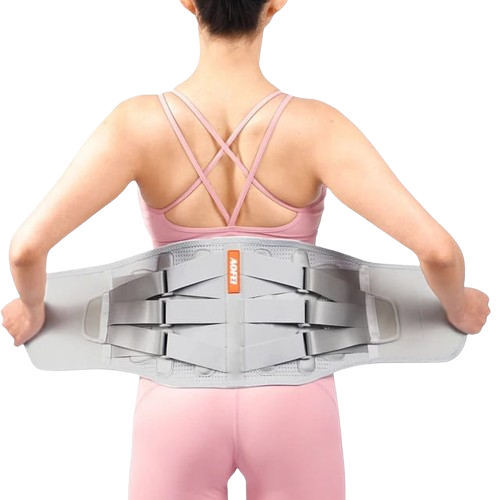
Lumbar support belt/Back support belt in kenya
(0)A lumbar support belt, often called a back support belt or lumbar brace, is designed to support the lower back (lumbar region) and alleviate pain or discomfort. These belts are commonly used by people with chronic back conditions, after surgeries, or in professions where heavy lifting is required.
In stock
SKU: lumbar-support-belt in kenya
Categories: Mobility aids,Orthopedic and physiotherapy products.
Product description
- Purpose:
- Support: It provides support to the lower back muscles and spinal structures.
- Limitation: It limits certain movements, like bending and twisting, that may exacerbate pain or injury.
- Posture: Helps to maintain a correct posture, which is essential for back health.
- Heat and Compression: Many belts provide a warmth and compression feature, which can be therapeutic and aid in reducing pain.
- Types:
- Elastic Belts: Made of stretchable material that offers light to moderate support.
- Non-Elastic Belts: Rigid and provide firm support, often with added metal or plastic stays for extra stability.
- Suspension Belts: More common among workers; they hang around the shoulders, which can help distribute weight.
- Heated or Magnetic Belts: Incorporate heat elements or magnets which some users believe provide additional therapeutic benefits.
- Key Features:
- Adjustability: Allows the user to tighten or loosen the belt for the desired level of support.
- Breathability: Materials that allow airflow to prevent excessive sweating.
- Fastening Mechanism: Velcro, buckles, or clips that ensure the belt stays in place.
- Contours: Some belts have contours to fit better around the waist and hips.
- Considerations When Purchasing:
- Purpose: For therapeutic use versus preventative/professional use.
- Material: Depending on preference, some may want a soft, flexible material, while others might prefer a more rigid belt.
- Size: Proper fit is crucial. Too tight can cause discomfort, while too loose won't provide adequate support.
- Duration of Wear: Some belts are designed for short durations, while others can be worn for longer periods.
- Benefits:
- Pain Reduction: By stabilizing the lumbar region, many users experience reduced pain.
- Posture Correction: Helps maintain a straight spine, especially when lifting.
- Injury Prevention: Especially for those in jobs that require heavy lifting.
Customer reviews
Not rated yet0 reviews
No reviews yet. Be the first to rate this product.
Write a review
Your email address is optional and will not be displayed.
Related products
Sale
Sale
Sale
Sale