


Patient monitor stand/trolley price in Kenya.
(0)A patient monitor trolley/stand is a mobile support system designed to hold and transport patient monitoring equipment, such as vital sign monitors, in clinical settings like hospitals, ICUs, emergency rooms, and outpatient clinics.
In stock
SKU: Not specified
Categories: Hospital furniture and beds.
Product description
🔧 Purpose
It ensures:
-
Mobility of the monitor for bedside use and between rooms.
-
Stability during monitoring.
-
Ergonomics for healthcare providers.
-
Cable and accessory management.
📋 Key Features of a Patient Monitor Trolley/Stand
| Feature | Description |
|---|---|
| Adjustable Height | Allows the monitor to be positioned at a comfortable viewing level. |
| Universal Mounting Plate/Arm | Compatible with various models of patient monitors. |
| Caster Wheels (Lockable) | Enables smooth movement; wheels can be locked for stability. |
| Cable Management System | Organizers to prevent cable tangling and enhance safety. |
| Accessory Baskets or Trays | Storage for sensors, cuffs, leads, power supplies, etc. |
| Durable Construction | Made from stainless steel, aluminum, or medical-grade plastic. |
| Compact Base | Stable yet designed to fit in tight clinical spaces. |
| Power Supply Mounting | Space to mount or store power bricks and batteries. |
| Anti-Tip Design | Wide base or weighted to prevent tipping over. |
| Optional IV Pole Attachment | Some trolleys come with add-on poles for IV integration. |
🏥 Common Uses
-
ICUs and ERs: For continuous monitoring of critical patients.
-
Outpatient Clinics: Portable monitors for checkups and triage.
-
Operating Rooms: To keep monitors mobile and nearby during surgery.
-
Home Healthcare: In advanced home care setups requiring portable monitoring.
Attributes
Customer reviews
Not rated yet0 reviews
No reviews yet. Be the first to rate this product.
Write a review
Your email address is optional and will not be displayed.
Related products
Sale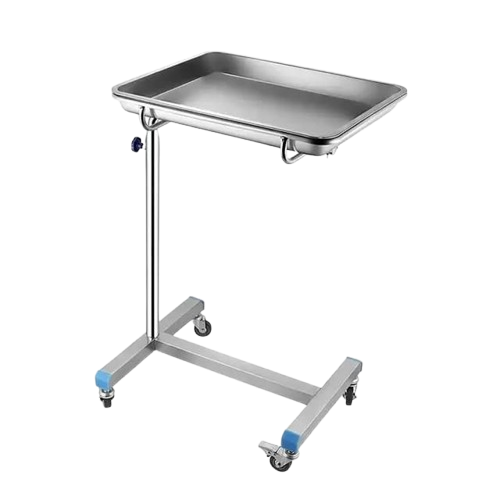
Sale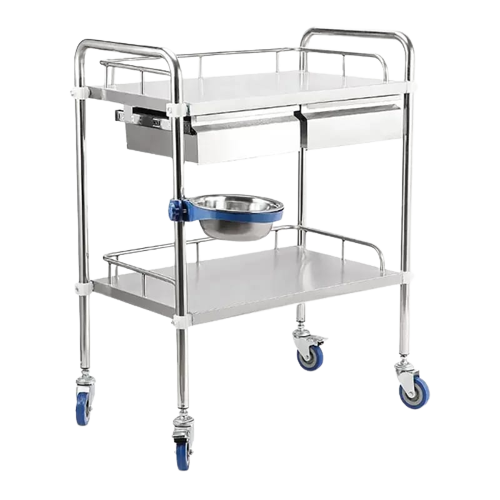
Sale
Sale