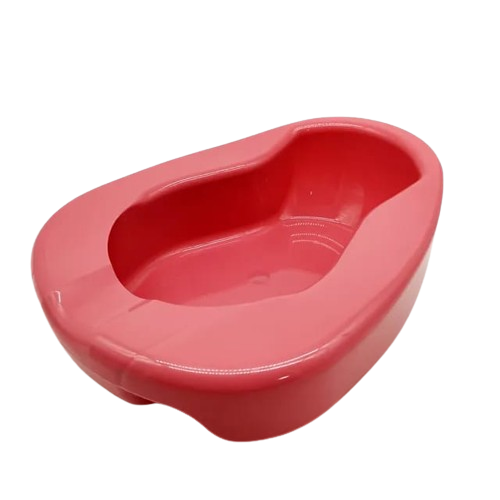
Plastic Bed pan kenya
(0)A plastic bedpan is a medical device designed to provide a portable and easily cleanable receptacle for individuals who are unable to get out of bed to use a traditional toilet. It is typically used in hospitals, nursing homes, and home care settings to assist patients with limited mobility, such as those recovering from surgery, the elderly, or individuals with certain medical conditions.
In stock
SKU: plastic-bed-pan in kenya
Categories: Mobility aids,Orthopedic and physiotherapy products.
Product description
Here are some key features and information about plastic bedpans:
- Material: Plastic bedpans are typically made of durable, easy-to-clean materials like polypropylene or polyethylene. These materials are non-absorbent and resist staining.
- Design: Plastic bedpans come in a variety of designs, including regular, contoured, and fracture bedpans. Regular bedpans are the most common and have a shallow, flat-bottomed shape. Contoured bedpans have a more ergonomic shape to provide additional comfort and support. Fracture bedpans have a wedge-shaped design, making them suitable for individuals with lower extremity injuries.
- Handles: Some plastic bedpans have integrated handles or grips to make them easier to hold and maneuver, especially when assisting patients.
- Graduated Measurements: Some bedpans have graduated markings to measure the volume of urine or feces collected, which can be useful for medical recordkeeping.
- Easy to Clean: Plastic bedpans are easy to clean and sanitize. They can be washed with soap and water, disinfected, and reused, making them cost-effective and environmentally friendly.
- Disposable Options: While reusable plastic bedpans are common, there are also disposable bedpans available for one-time use. Disposable bedpans are convenient in situations where cleaning and sterilizing a reusable bedpan may be challenging.
- Lids: Some plastic bedpans come with lids to contain odors and prevent spillage during transport.
- Caregiver Assistance: Plastic bedpans are typically used with the assistance of healthcare professionals or caregivers who position and support the patient as needed.
- Patient Dignity: Using a bedpan can be a sensitive and potentially embarrassing experience for patients, so healthcare providers should ensure patients' privacy and dignity during the process.
Customer reviews
Not rated yet0 reviews
No reviews yet. Be the first to rate this product.
Write a review
Your email address is optional and will not be displayed.
Related products
Sale
Sale
Sale
Sale