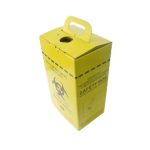


A biohazard colored pedal bin is a specially designed waste disposal bin used in hospitals, laboratories, clinics, and healthcare facilities for the safe segregation and disposal of medical waste. These bins are usually operated using a foot pedal to reduce hand contact and minimize the spread of infections.
The bins are color-coded to help healthcare workers separate different types of waste according to infection prevention and medical waste management guidelines.
🏥 Biohazard Colored Pedal Bins


🔍 Common Colors and Their Meanings
🟡 Yellow Bin – Infectious/Clinical Waste
The yellow biohazard bin is used for:
- Infectious medical waste
- Contaminated dressings and bandages
- Used gloves and PPE
- Pathological waste
- Laboratory infectious materials
Examples:
- Blood-stained materials
- Swabs and gauze
- Isolation ward waste
Used in managing infectious diseases such as COVID-19, Tuberculosis, and Hepatitis B.
🔴 Red Bin – Highly Infectious Waste / Plastic Contaminated Waste
The red biohazard bin is commonly used for:
- Highly infectious waste
- Contaminated plastic items
- IV tubing and catheters
- Syringes without needles
- Blood bags and medical plastic disposables
Examples:
- IV sets
- Urine bags
- Suction tubing
This waste usually requires specialized treatment before disposal.
⚫ Black Bin – General/Non-Infectious Waste
The black bin is used for:
- Non-medical waste
- Non-infectious general waste
- Paper, packaging, and food waste
Examples:
- Office paper
- Food remains
- Cartons and wrappers not contaminated with body fluids
This waste is similar to domestic waste and does not usually require special treatment.
⭐ Features of Biohazard Pedal Bins
✔ Foot pedal operation for hands-free use
✔ Color-coded for easy waste segregation
✔ Durable and easy-to-clean material
✔ Tight-fitting lids to control odor and contamination
✔ Clearly marked biohazard symbols
✔ Available in various capacities (20L, 30L, 50L, etc.)
✅ Importance of Color-Coded Waste Segregation
Proper medical waste segregation helps to:
- Prevent infections and contamination
- Protect healthcare workers and patients
- Improve environmental safety
- Ensure compliance with healthcare waste regulations
- Reduce improper disposal risks