Nebulizer machine Kenya
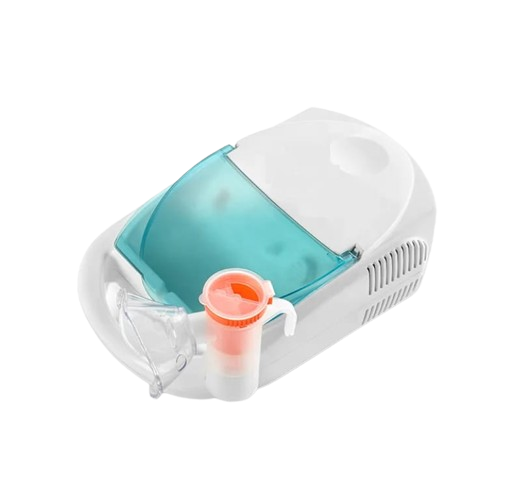
(0)A compressor nebulizer machine is a medical device commonly used to deliver medication directly to the respiratory system in the form of a mist. This device is typically used to treat respiratory diseases such as asthma, chronic obstructive pulmonary disease (COPD), and other respiratory disorders.
In stock
SKU: compressor-nebulizer-machine kenya
Categories: Laboratory products and consumables
Product description
Components:
- Compressor: The main unit that pushes air to the nebulizing chamber.
- Nebulizing Chamber or Medicine Cup: Holds the liquid medication.
- Nebulizer Mouthpiece/Mask: The patient breathes through this to inhale the medication. Some people prefer a mask while others prefer a mouthpiece.
- Tubing: Connects the compressor to the medicine cup.
- Filter: Ensures clean air is used in the nebulization process.
How It Works:
- The liquid medication is poured into the nebulizing chamber.
- The compressor is turned on, which pushes air through the tubing.
- The air flow causes the medication to become aerosolized in the nebulizing chamber, turning it into a fine mist.
- The patient then breathes in the mist, delivering the medication directly to the respiratory system.
Benefits:
- Direct Delivery: The medication is delivered directly to the respiratory tract, allowing for potentially faster and more effective treatment.
- Efficiency: It can convert liquid medication into a breathable form, which may be more efficient for certain conditions than taking medication orally or through injections.
- Usage Across Ages: Suitable for patients of all ages, from infants to elderly individuals.
Customer reviews
Not rated yet0 reviews
No reviews yet. Be the first to rate this product.
Write a review
Your email address is optional and will not be displayed.
Related products
Sale
Sale
Sale
Sale