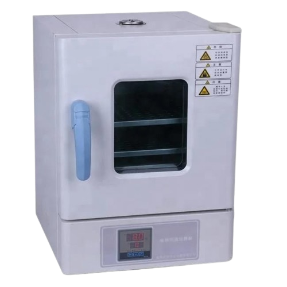
Laboratory incubator 25 liters kenya
(0)A 25-liter laboratory incubator is a piece of equipment used in scientific and research settings to provide a controlled environment for the growth and maintenance of microorganisms, cells, or other biological samples. This type of incubator is commonly used in microbiology, cell culture, and other biological research applications.
In stock
SKU: laboratory-incubator-25-liters in kenya
Categories: Laboratory products and consumables
Product description
Key features of a laboratory incubator may include:
- Temperature Control: The incubator can maintain a stable and precise temperature to create the optimal conditions for the growth of specific organisms or cultures. The temperature range may vary depending on the model but is typically adjustable within a certain range, such as 20°C to 60°C.
- Humidity Control (optional): Some incubators may have the capability to control humidity, especially if the application requires specific humidity levels for the samples being cultivated.
- Sterilization: Many incubators have built-in sterilization features to ensure that the environment inside the incubator remains free from contaminants. This is crucial to prevent contamination of cultures and experiments.
- CO2 Control (optional): In cell culture applications, some incubators can control carbon dioxide (CO2) levels to maintain a suitable pH for cell growth.
- Interior Shelves or Racks: The interior of the incubator typically includes adjustable shelves or racks to hold various types of containers, such as petri dishes, flasks, or test tubes.
- Digital Controls: The temperature and other settings are usually controlled digitally for precise and easy adjustment.
- Alarm Systems: Incubators may have alarms to notify users of temperature deviations or other issues that could affect the integrity of the experiments.
- Observation Window: Some incubators come equipped with an observation window to monitor the samples without opening the incubator, which helps maintain a stable environment.
- Interior Lighting: Lighting inside the incubator allows for easy visibility of the samples without disturbing their conditions.
Customer reviews
Not rated yet0 reviews
No reviews yet. Be the first to rate this product.
Write a review
Your email address is optional and will not be displayed.
Related products
Sale
Sale
Sale
Sale