Ultrasound gel in kenya
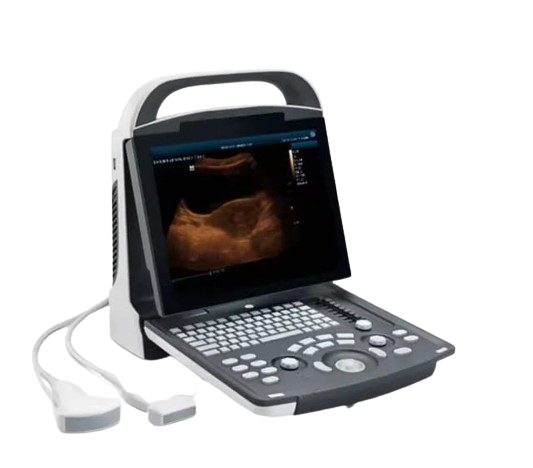
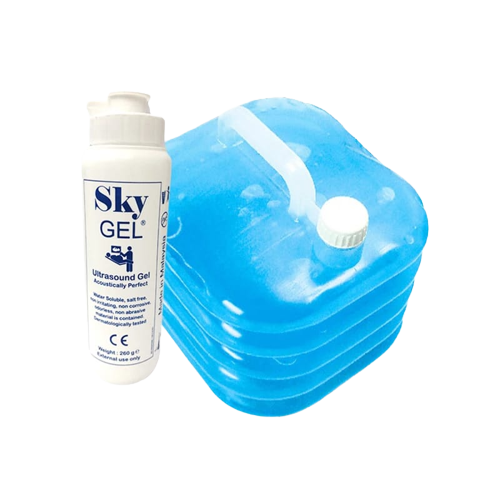
(0)Ultrasound gel is a type of water-based conductive medium that is used in ultrasound diagnostic imaging and therapeutic applications. Its primary purpose is to reduce air pockets between the transducer (the device that sends and receives the sound waves) and the patient's skin. Air is a poor conductor of ultrasound waves, so eliminating these pockets ensures a clearer and more accurate image.
In stock
SKU: ultrasound-gel in kenya
Categories: Maternity products (Obstetrics & Gynecology )OB/GYN.
Product description
- Composition: Most ultrasound gels are composed mainly of water and a thickening agent. They may also contain preservatives to prevent bacterial or fungal growth since the gel is water-based.
- Viscosity: The gel has a thick consistency which helps it to stay in place between the skin and the transducer.
- Application: The gel is applied liberally to the skin in the area that will be examined. The transducer is then placed on top of the gel and moved around to get the required images.
- Therapeutic Ultrasound: In physiotherapy, ultrasound can be used as a therapeutic tool to provide deep heating to soft tissues in the body, promoting healing. Gel is essential in this process to provide adequate conduction of the ultrasound waves.
- Ease of Cleaning: After the examination, the gel is easily wiped off the skin. It's water-soluble, so it doesn't typically stain clothing.
- Aquasonic: This is one of the most popular brands of ultrasound gel available in the market. There are, of course, various other brands available as well.
- Alternatives: If ultrasound gel isn't available, there are other mediums that can sometimes be used in a pinch, like water or certain lotions. However, not all alternatives provide as clear an image as the specialized ultrasound gel.
- Storage: Ultrasound gel should be stored in a cool, dry place, away from direct sunlight. Most gels have a shelf life, so they should be used before the expiration date.
- Safety: Ultrasound gel is generally hypoallergenic, but some people may have allergic reactions to some of the ingredients. It's always a good idea to notify the technician or doctor if you have sensitive skin or are prone to allergic reactions.
- Non-medical Uses: Ultrasound gel is also used for certain non-medical procedures, like hair removal and certain cosmetic treatments.
Customer reviews
Not rated yet0 reviews
No reviews yet. Be the first to rate this product.
Write a review
Your email address is optional and will not be displayed.
Related products
Sale
Sale
Sale
Sale