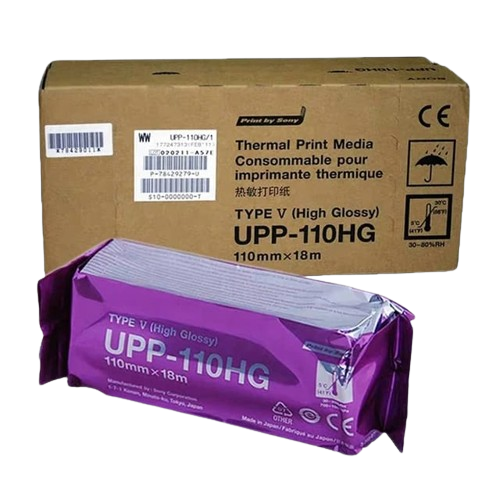
Ultrasound thermal printing paper in kenya
(0)Ultrasound thermal printing paper is a special type of paper used to produce hard copies of ultrasound images. When an ultrasound machine generates an image, this image can be printed directly onto thermal paper using a specialized printer
In stock
SKU: ultrasound-thermal-printing-paper
Categories: Laboratory products and consumables
Product description
Features
- How It Works: Unlike standard printing processes that use ink or toner, thermal printing uses heat to produce an image. Ultrasound machines transmit this heat onto the thermal paper, where heat-sensitive chemicals react and produce the image.
- Types: There are usually two types of thermal paper used in ultrasound:
- High-density (HD) paper: Produces clearer, sharper images and is more expensive.
- Standard-density paper: Less sharp than HD, but it's usually adequate for many applications and is less expensive.
- Quality and Durability: The quality of ultrasound images on thermal paper can degrade over time, especially when exposed to sunlight, heat, or certain chemicals. It's essential to store these images in a cool, dark place to ensure longevity.
- Brands and Compatibility: Not all thermal papers are compatible with all ultrasound machines. Leading manufacturers of ultrasound machines, such as Sony and Mitsubishi, produce their brand of thermal printing paper. When purchasing thermal paper, it's important to ensure that the chosen paper is compatible with the specific ultrasound machine in use.
- Cost: The price of ultrasound thermal printing paper varies based on its quality, brand, and the quantity purchased. Buying in bulk often leads to cost savings.
Customer reviews
Not rated yet0 reviews
No reviews yet. Be the first to rate this product.
Write a review
Your email address is optional and will not be displayed.
Related products
Sale
Sale
Sale
Sale