
Introduction
Ebola Virus Disease (EVD), commonly known as Ebola, is a severe and often deadly viral illness that affects humans and some animals. Ebola outbreaks have caused major public health concerns in Africa due to its high transmission rate and potentially fatal complications. Early detection, proper infection prevention measures, and public awareness are essential in controlling the spread of the disease.
At TibaQuip Africa Medical Supplies, we are committed to supporting healthcare facilities with quality infection prevention and control equipment necessary for managing infectious diseases such as Ebola.
Origin of Ebola
Ebola was first discovered in 1976 during simultaneous outbreaks in Sudan and the Democratic Republic of Congo near the Ebola River, from which the disease got its name.
Scientists believe that the virus originates from animals, particularly fruit bats, which are considered the natural hosts of the Ebola virus. The disease can spread from infected animals to humans and then from person to person through direct contact.
Several Ebola outbreaks have occurred in Africa over the years, affecting countries such as:
- Democratic Republic of Congo
- Uganda
- Sudan
- Guinea
- Sierra Leone
- Liberia
Causes of Ebola
Ebola is caused by the Ebola virus, which belongs to the Filoviridae family.
The virus spreads through:
- Direct contact with blood or body fluids of an infected person
- Contact with contaminated medical equipment such as needles and syringes
- Handling infected animals or animal products
- Contact with contaminated surfaces or materials
- Unsafe burial practices involving infected bodies
Body fluids that may spread Ebola include:
- Blood
- Vomit
- Saliva
- Sweat
- Urine
- Stool
- Breast milk
- Semen
Healthcare workers are at high risk if proper infection control measures are not followed.
Signs and Symptoms of Ebola
Symptoms of Ebola usually appear between 2 to 21 days after exposure to the virus.
Common signs and symptoms include:
Early Symptoms
- Sudden high fever
- Severe headache
- Fatigue and weakness
- Muscle and joint pain
- Sore throat
Advanced Symptoms
- Vomiting
- Diarrhea
- Abdominal pain
- Skin rash
- Red eyes
- Unexplained bleeding or bruising
- Bleeding from gums, nose, or body openings
In severe cases, Ebola can lead to:
- Organ failure
- Shock
- Severe dehydration
- Death
Immediate medical attention is critical once symptoms appear.
Control Methods of Ebola
Effective Ebola control requires rapid response and strict infection prevention measures.
1. Early Detection and Isolation
Patients suspected of having Ebola should be isolated immediately to prevent transmission.
2. Contact Tracing
People who have been in contact with infected individuals should be identified and monitored.
3. Proper Use of Personal Protective Equipment (PPE)
Healthcare workers should wear:
- Gloves
- Face shields
- Masks
- Gowns
- Protective coveralls
4. Safe Handling of Medical Waste
Contaminated materials should be disposed of safely using:
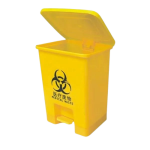
- Biohazard bins
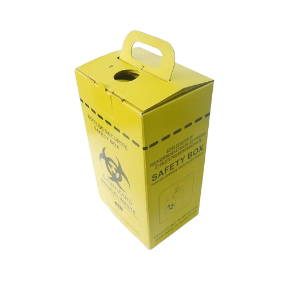
- Sharps containers
- Medical waste liners
5. Environmental Disinfection
Hospitals and treatment areas should be regularly disinfected using approved disinfectants.
6. Safe Burial Practices
Specially trained burial teams should handle deceased Ebola patients safely.
Prevention Measures of Ebola
Preventing Ebola requires public awareness and strict hygiene practices.
Personal Prevention Measures
- Wash hands regularly with soap and water
- Use alcohol-based hand sanitizers
- Avoid direct contact with infected persons
- Avoid handling dead animals or bush meat
- Seek medical attention immediately if symptoms develop
Healthcare Facility Prevention Measures
- Proper sterilization of medical equipment
- Routine use of PPE
- Infection prevention training for healthcare workers
- Proper waste segregation and disposal
- Screening and triage systems in hospitals
Community Prevention Measures
- Public health education and awareness campaigns
- Reporting suspected cases early
- Avoiding unsafe burial practices
- Following government and WHO health guidelines
Importance of Infection Prevention Equipment
Proper infection prevention and control equipment plays a major role in reducing the spread of Ebola and other infectious diseases.
Essential equipment includes:
- Infrared thermometers
- PPE kits
- Biohazard bins
- Hand sanitizers
- Medical gloves
- Face masks
- Disinfectants
- Autoclaves
- Isolation ward equipment
TibaQuip Africa Medical Supplies provides quality infection prevention products to support hospitals, clinics, laboratories, NGOs, and healthcare workers across Kenya and East Africa.
Conclusion
Ebola is a dangerous but preventable disease when proper infection control measures are followed. Public awareness, early diagnosis, proper hygiene, and use of protective medical equipment are essential in controlling outbreaks and protecting communities.
Healthcare facilities should remain prepared with adequate infection prevention supplies and emergency response equipment to ensure safety for both patients and healthcare workers.
For quality medical supplies and infection prevention equipment, contact TibaQuip Africa Medical Supplies today.
TibaQuip Africa Medical Supplies
Your Trusted Partner in Healthcare Solutions Across East Africa.